
Somaliland’s Geopolitical Limbo: Balancing Maritime Trade Opportunities with Potential Regional Destabilisation
January 23, 2026 -Written by James Murphy
Introduction
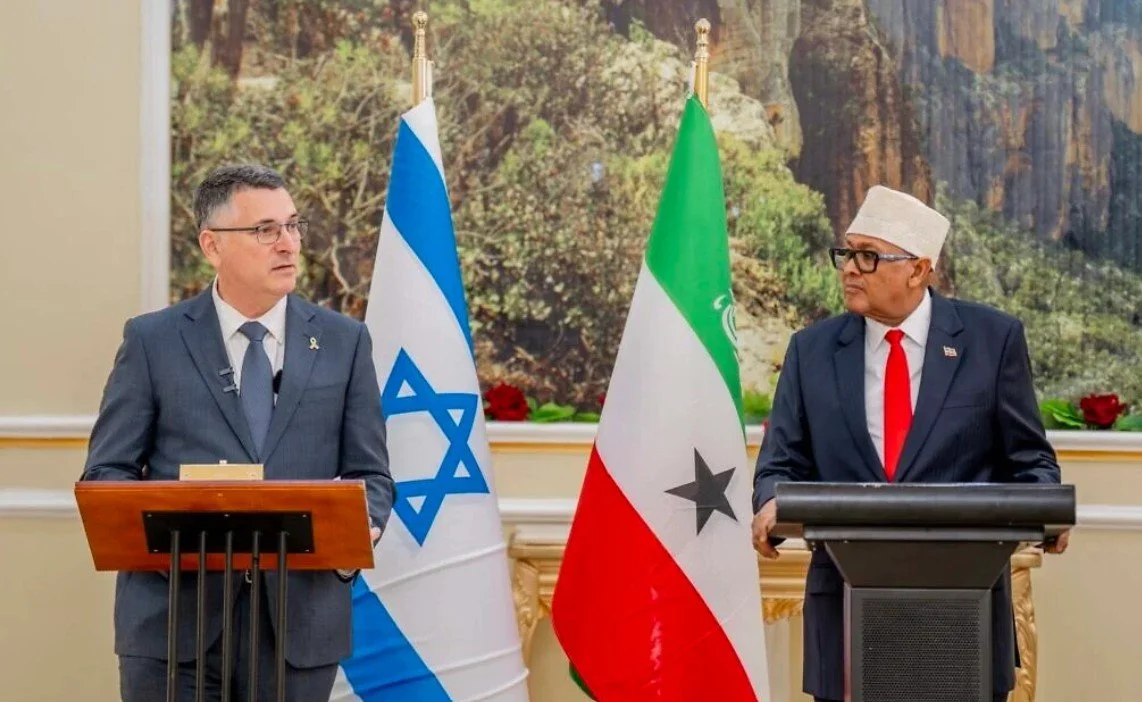
Somaliland has been operating as a breakaway state within the borders of Somalia since 1991. For the last 34 years, they have been a functioning de facto state with its own military, police, currency, rule of law, and democratically-elected government. Until December 2025, they had received no formal recognition from any UN-member state, leading to a severe handicap in their ability to secure IMF loans, access international trade organisations, or negotiate on their own behalf in international forums. Unemployment remains high, remittances from diaspora are vital to the economy, and the Somalilander youth are leaving at an increasing rate in an apparent ‘brain drain’.
Somaliland came close to formal recognition from Ethiopia with their Memorandum of Understanding in January 2024 in exchange for letting Ethiopia use 19km of Somaliland’s coastline to boost Ethiopia’s maritime trade. However, Egypt and Somalia both staunchly rejected this idea, with Egypt sending weaponry and troops to Somalia amid rising tensions with Ethiopia. As Ethiopia and Somalia pursued peace, Somaliland were left with a promise of future recognition from Ethiopia at an unconfirmed date. Finally, in December 2025, Somaliland received formal recognition from another sovereign nation: Israel. This was met with surprise and condemnation from many, such as Jordan, Qatar, China, and the African Union. So what is it about Somaliland that is so important to Israel? Why does recognition of Somaliland make so many others so nervous? For some, the answer is trade. For others, the answer is the potential to destabilise the region.
Contextual Analysis
Israel had been discussing recognition of Somaliland since the 2025 Africa Israel Economic Forum in November 2025. Their sudden decision at the end of December to formally recognise the breakaway region has been viewed as having several different or coinciding reasons.
Israeli think-tank, The Institute of National Security Studies, has stated that this move could be motivated by Israeli plans for future campaigns against Houthi rebel groups in the Red Sea. The same think-tank has also stated that the Israeli government has been in contact with Somaliland over the potential resettlement of Palestinians forcibly removed from Gaza, a proposal which the Somalian government in Mogadishu has vehemently rejected.
While Ethiopia may have been angling for coastline access, both Ethiopia and Israel have sought to place naval bases at the port of Berbera alongside the existing naval base owned by the United Arab Emirates. The coastal location of Somaliland's port of Berbera has high geopolitical value. The port’s ’s location at the entrance to the Red Sea gives Somaliland close proximity to the Suez Canal and the Bab al-Mandeb Strait leading to the Gulf of Aden. The Suez Canal and the Bab al-Mandeb Strait allow access to the coastal cities of Europe, Africa, and Asia and account for one-third of maritime shipping transits and 15% of global trade.
Berbera Port has become more geopolitically vital recently, due to Chinese development and investment in Djibouti. Much like in Berbera, Dubai-based shipping company DP World managed Djibouti’s strategically important Doraleh Port until 2018. Since then, the Djiboutian government took control of the port and then gave control to Chinese state-owned companies, notably China Merchants Group. Chinese investment in the region and full control over a neighbouring port means that Berbera Port becomes increasingly important on the world stage influencing competitive international maritime trade.
Main Arguments
The African Union’s argument of destabilising the region is a compelling one to many stakeholders. The Al-Qaeda aligned Somali jihadist group, Al-Shabaab, currently controls several rural areas across southern Somalia. However, Somaliland has experienced relatively limited exposure to threats from Al-Shabaab, compared to the threats weathered by Somalia. Closer ties to Israel could change the severity and seriousness of these threats. UN reports have already warned of the potential that Al-Shabaab has to incite violence in both Somalia and Somaliland as well as this violence spreading to neighbouring countries such as Ethiopia and Kenya.
The opposition of growing relationship between Somaliland and Israel could cause more widespread violence from Al-Shabaab beyond their current operations and threats. Al-Shabaab have stood in opposition to Israel’s involvement in the region since long before the current ongoing conflict in Gaza and have recently been comparing the suffering of Palestinians to the plight of Sunni Somalis. Al-Shabaab may view Somaliland’s possibly joining the Abraham Accords, which would allow the construction of an Israeli naval base in the port at Berbera, and the rumoured resettlement of Palestinians from Gaza, as sufficient motivation to possibly launch attacks on Somaliland’s inland capital Hargeisa and the port of Berbera.
If the tolerance of Al-Shabaab for Somaliland’s friendship with Israel does reach a tipping point, attacks on Hargeisa and Berbera could take place, these incursions and threats by Al-Shabaab could cause complications for Somaliland’s trade relationships with Israel, Ethiopia, and the UAE.
However if Israel or even Ethiopia, given their close economic and military relationship, were to step-in and provide security for Somaliland or in any way expand and escalate any subsequent conflict, it could cause massive economic uncertainty and damage to the fragile stability of one of the world’s most conflict-ridden and climate-sensitive regions.
The Yemeni Houthis represent a threat on a different scale. The Houthis have already proven themselves capable of carrying out attacks against ships in the Red Sea. While the Houthis have halted these attacks since the ceasefire in Gaza, this may only be a temporary measure. If negotiations between Israel and Hamas are unsuccessful and armed conflict again resumes in Gaza, the Houthis may restart their attacks in the Red Sea and even target Israel’s base in Berbera. Israel have already resumed hostilities on several occasions, most recently with an attack on Birziet University in the West Bank that left dozens injured from Israeli firearms and tear gas. The ceasefire in Gaza is extremely fragile and other players in the conflict may be ready to again step into the fray.
Any resumed escalation in the region would pose a heightened risk to maritime trade in one of the world’s most vital trade routes. If Israel continues to breach the ceasefire and the Houthis resume their campaign in the Red Sea, conflict may spread to Berbera, this could endanger Somaliland’s relative peace and security, and have an impact on the economic activity of other actors present in Berbera such as Ethiopia and the UAE.
The Horn of Africa as well as surrounding territories may face the issues with stability outlined above as a result of Somaliland receiving more international recognition. If Ethiopia recognises Somalialand and the UAE feels pressured to do so with the threat of Somaliland exploring other trading partners such as Israel, then it may be viewed as a precedent for other secessionist movements to further pursue their own goals. The UAE’s Foreign Affairs Forum and the African Union have raised concerns that recognition of Somaliland could lead to future concerns over the stability of several states including Nigeria, Cameroon, and the Western Sahara.
The Biafra in Nigeria, the Sahrawi Arab Democratic Republic in Western Sahara, and the Ambazonian movement in Anglophone Cameroon are all examples of movements that may view recognised Somaliland independence as an inspiration to seek international legitimacy themselves, bringing further instability to Central and Western Africa. China has similar concerns to the African Union about breakaway regions seeking independence. China, as the leading member of the BRICS+ bloc, has made huge investments in African infrastructure. Increased activity from militant groups such as the Houthi and Al-Shabaab and homegrown secessionist movements within relatively stable African nations will likely make China very nervous about their continued economic presence in the region.
Key Players and Stakeholders
Somaliland: Receiving formal recognition from the international community has been a sought-after goal for Somaliland since their declared independence in 1991. Celebrations occurred for several days on the streets of Hargeisa as locals celebrated a new partnership full of pledges to invigorate Somaliland’s health, technology, and agricultural sectors. However, these celebrations were not universal. Much like Somalia, many in Somaliland stand in solidarity with Palestinians and reject proposals to resettle those forcibly removed from Gaza on their own land. Therefore, this partnership could stand to cause divisions.
Israel: Israel recognising Somaliland may have generated condemnation from more than 20 Arab and African countries, but Israel being the first nation to recognise and invest in the successful, self-governing breakaway state, Somaliland, does provide international good will for Israel following the worldwide condemnation of brutality of the conflict in Gaza. The partnership between Somaliland and Israel provides both partners with new trade and defence opportunities given the prospect of an Israeli naval base at the port of Berbera. However, this new opportunity for maritime trade with Israel also brings Israel into the sphere of maritime dominance now occupied by Ethiopia, UAE, China, and Egypt.
African Union: The African Union has naturally expressed concern over Israel’s recognition of Somaliland. The AU exists in order to help facilitate continued economic growth and conflict mitigation strategies across a continent that has seen over a century of extractivist policies, widespread poverty and malnutrition, religious fundamentalism, and war. The African Union’s current priorities for the continent include minimising further conflict in Anglophone Cameroon and ensuring adequate funding for the stabilisation of Somalia, an effort intended to provide support to the Somali military in its conflicts against piracy and Al-Shabaab. Increased interest and recognition of Somaliland by international partners threatens to undermine the progress the AU has made on the continent - Al-Shabaab may be angered by Somaliland seeking new alliances with Israel, and Ambazonian activity in Anglophone Cameroon or Biafra activity in Nigeria may be invigorated by the recognition of a secessionist movement on the continent.
BRICS+: China, Ethiopia, UAE, and Egypt all have concerns over maritime trade in the Red Sea. In 2024, Egypt offered military assistance to Somalia amid diplomatic tensions after Ethiopia’s memorandum of understanding with Somaliland as it threatened to upset their superior position in maritime trade in the region. China have condemned Israel’s recognition of Somaliland, sharing the African Union’s concerns over the potential to encourage separatism in other countries. China is also currently conducting maritime trade through Djiboutian ports, and therefore will see the addition of Israel to the existing trade competition through Somaliland as a threat to their investments in the region. Ethiopia and the UAE will also may also need to reconsider their position on Somaliland. Israel offers recognition and partnership with Somaliland in ways that may make them a higher priority trading partner for Somaliland. Ethiopia and UAE may need to consider increasing how much trade they do with Somaliland, employing Somalilanders at the bases in Berbera, and offer assistance in nation-building, education or critical infrastructure. They would both need to be very cautious if they were to consider recognition of Somaliland. Ethiopia’s tensions with Somalia and the UAE’s opposition to Houthi rebels could mean that official recognition of Somaliland would bring more conflict and strife to Somaliland and potentially destablise whole of the Horn of Africa.
United States: The US has been a steadfast ally to Israel. Despite the wake of the various international organisations, national governments, and human rights groups that have labelled the conflict in Gaza as a genocide. The restrictions on food aid to Gaza and the accusation of using the tactic of starvation as a means of subjugation, have been lobbied against Israel, as well as concerns about the targeting of staff of Médecins Sans Frontières, foreign journalists, and the reports of a widespread assault on children in Gaza. While the US did not condemn Israel’s recognition of Somaliland, the US government stated that their stance on the breakaway region remains unchanged. The Heritage Foundation, a right-wing American think-tank, believes that Israeli recognition could be a step toward US-Somaliland relations that would remove US dependence on Djibouti for military bases. While still possible, it seems Israel currently stands alone on this political move. However, the Trump Administration’s defence of Israel and recent US air strikes in Nigeria would indicate that they may not hesitate when intervening on Israel’s behalf if conflict arose with the Houthis or Al-Shabaab in Somaliland.
Opportunities and Risks
Opportunities
Somaliland‘s relationship with Israel may encourage other nations to recognise them as a sovereign nation. Israel’s close relationship with the United States and the EU along with existing investors in Somaliland like Ethiopia, could bring other nations to recognise its sovereignty. This could open the door to currency valuation, access to IMF loans, and further representation in the international community.
By having a military and commercial presence in Berbera, Israel acts as yet another powerful stakeholder among the trade routes through the Red Sea. By bringing heightened competition to the region’s shipping lanes, nations like Eygpt, Ethiopia and the UAE will need to adapt. This works to discourage a monopoly over the trade routes coming to fruition, creating fairer and more competitive markets for consumers.
As Israel begins to investment in Somaliland’s agriculture and technology sectors, and Ethiopia’s new highway to Berbera continues construction, recognition of Somaliland provides both short-run and long-run solutions to economic volatility. By affratcing infrastructure, providing jobs, and increasing port services, greater legitimacy alongside development initiatives could help reduce unemployment, diaspora, and the ‘brain drain’ that Somaliland is currently experiencing.
Risks
Militant groups such as the Yemeni Houthi and Al-Shabaab will likely perceive Somaliland permitting an Israeli presence on their land and the rumours of Somaliland joining the Abraham Accords as an affront to Muslim communities and a betrayal towards Palestinians. Al-Shabaab may extend their grievance beyond Somalia to Somaliland, and any reignited conflict between the Houthis and Israel may draw Somaliland into the fray.
Somaliland may find themselves facing further diplomatic isolation within Africa. As the African Union and several foreign nations stand with Somalia in defence of its sovereignty and the AU’s 1964 doctrine on border inviolability, then they may remain outside the continent’s most powerful instruments used for trade and cooperation.
Even if the risk of invigorating secessionist movements elsewhere was nonexistent, Somaliland’s recognition from Israel and economic investment from Ethiopia and the UAE may be enough to cause discontent within Somalia. Puntland, a region on Somalia’s eastern coast, have been functionally autonomous state since 1998. Somaliland have also recently suffered from internal conflict with the recently formed North Eastern State. A recognised secessionist state within Somalia may cause the government in Mogadishu to be perceived as weak and ineffective. In addition to the threat of Al-Shabaab, Somalia’s federal system may struggle to maintain its composure.
Conclusions
While there may be an argument that Somaliland deserves to be treated as an independent state given they have over three decades of stable and uninterrupted self-governance, it is not without serious geopolitical implications. Growing interest in the port of Berbera and investment in the Somaliland economy has the potential for both positive and negative impacts on maritime trade. Israel’s presence in the port of Berbera may improve Somaliland’s economy and make maritime trade more competitive. However, the potential for reignited conflict between Israel and the Houthis or Al-Shabaab to extend their campaigns to Somaliland could upset the recent economic developments in a historically volatile region surrounding one of the world’s most vital shipping routes.

Written by James Murphy
Middle East and North Africa Research Desk Analyst