Reports and analysis from analysts embedded across the regions, covering security, politics and risk across Europe, the Middle East, Africa, Latin America and Asia.

Research desks

Central Asia & Caucasus
2 April 2026
The South Caucasus is no longer a sideshow. For three decades after the Soviet collapse, the region operated under a logic largely shaped by Moscow and by the weight of unresolved territorial conflicts. That framework is gone. In its place is a considerably more complex competitive environment in which Russia, Türkiye, Iran, India, China, and the United States all pursue overlapping and often contradictory interests across the same narrow strip of territory between the Black Sea and the Caspian. The local states, Armenia, Azerbaijan, and Georgia, are not passive recipients of this competition.
Read the report
Indo-Pacific
24 March 2026
Triangular Power Politics: How The U.S. Limits Sino-Indian Alignment
This report examines how India and China engage with one another on the global stage, situating their relationship within a historical context and current geopolitical and economic dynamics. By analysing the evolution of Sino-Indian bilateral interactions, the current landscape, and the role of U.S. power and alignment, this work provides a comprehensive assessment of their relationship. It argues that India and China’s markedly different interactions with the U.S. are central to the shaping of their engagement with each other.
Read the report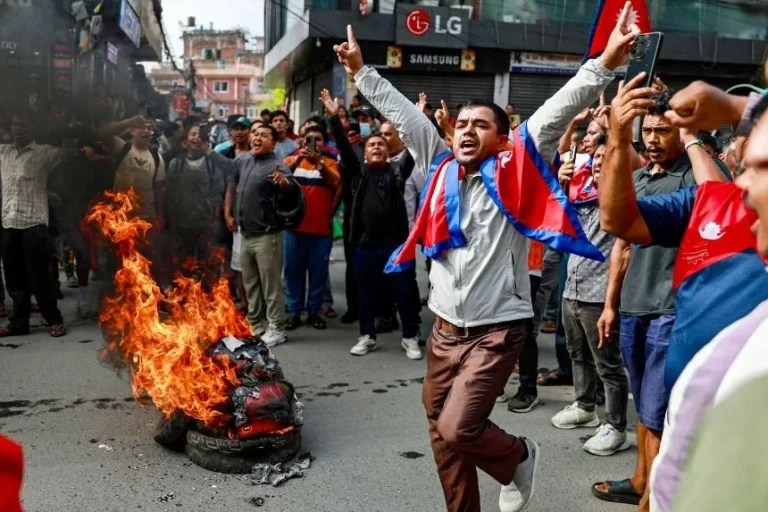
20 March 2026
The Geopolitical Stakes of Nepal’s National Election
Throughout 2025, a wave of youth-led protests broke out across the globe, capturing headlines and ousting governments. Whether in Serbia or Peru, Indonesia or Madagascar, this so-called Gen-Z movement is united across borders by shared frustrations among young people with rampant inequality, government corruption, and lack of opportunity.
Read the report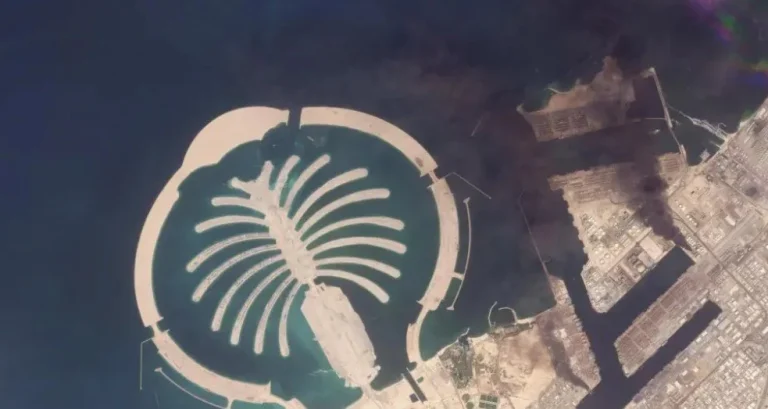
Middle East & North Africa
16 March 2026
How the US-Israel War with Iran is Disrupting Global Trade and Economic Partnerships
The Persian Gulf has been engaged in conflict that has stifled the economic growth of several countries such as Qatar, Iraq and Iran.
Read the report
Europe
9 March 2026
The Kurdish Question: Spanish-Turkish Relations and the Post-Assad Turning Point
Spain and Türkiye, a somewhat understudied pairing within international politics, have benefitted from strong diplomatic ties and bilateralism since the former’s backing of the EU-Türkiye Customs union in 1995.
Read the report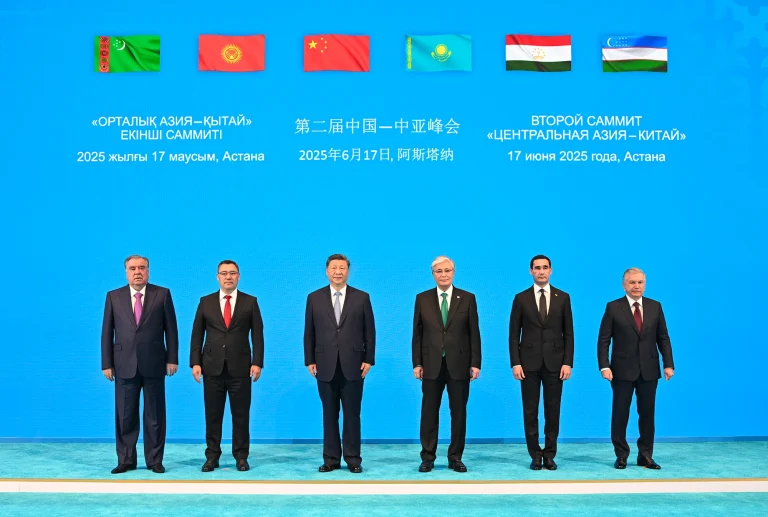
Central Asia & Caucasus
26 February 2026
The Scramble for Central Asia: Russia and China’s ‘No-Limits’ Partnership Has Limits
Since Russia and China declared a “no-limits” partnership in February 2022, followed weeks later by Russia’s invasion of Ukraine, analysts have sought to assess the trajectory of a “strategic partnership” linking the...
Read the report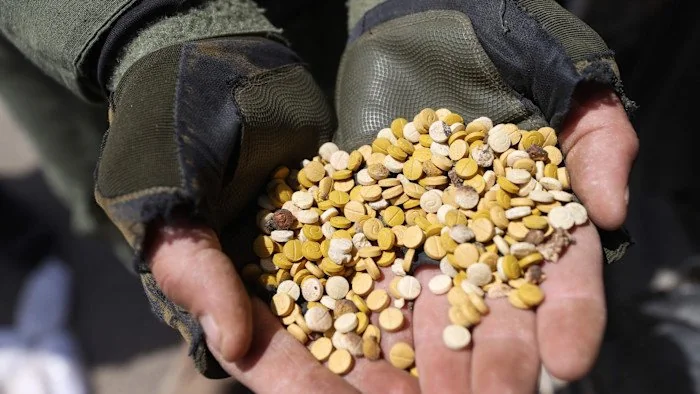
Middle East & North Africa
10 February 2026
Ending the Captagon Trade in Syria?
Since the Arab Spring and Syria’s Civil War in 2011, the political trajectory of the Syrian government has been warped by the actions of Bashar al-Assad’s dictatorial regime. Despite his ousting in December 2024, the regime marked over two decades of political, economic and geopolitical instability and since has reformed the interactions between Syria and the surrounding Arab states.
Read the report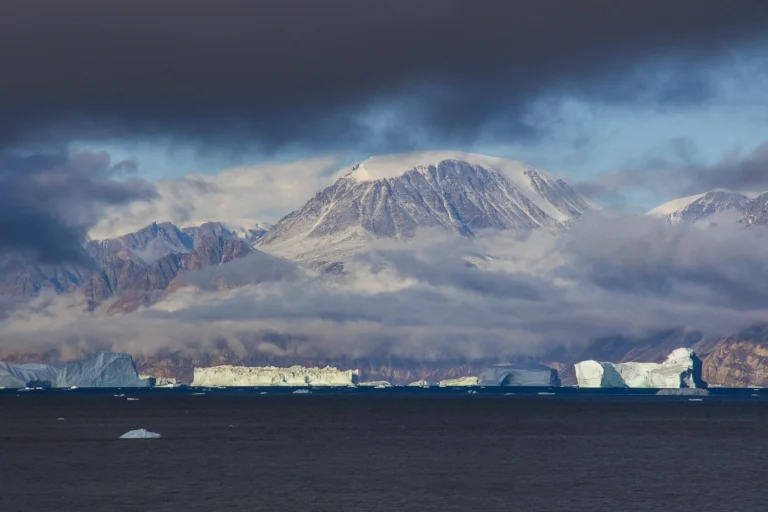
Europe
6 February 2026
With Trump’s Davos statement on the 21st of January defusing previous threats to take Greenland by force, shortly followed by the announcement of a “NATO-framework” to address US security concerns in the Arctic, the...
Read the report
Europe
4 February 2026
Europe’s Pivot Away from the US?
After the episode of the US trying to acquire Greenland, Europe has a clearer view of its dependence on the United States, and of Washington’s willingness to weaponise that dependence through tariffs and threats against EU sovereignty. In terms of economic coercion, the US’ tariffs on those backing Greenland’s autonomy were significant, 10% tariffs on goods from Denmark, Germany, France, and others, escalating to 25% by June 2026.
Read the report
