Reports and analysis from analysts embedded across the regions, covering security, politics and risk across Europe, the Middle East, Africa, Latin America and Asia.

Research desks
21 January 2025
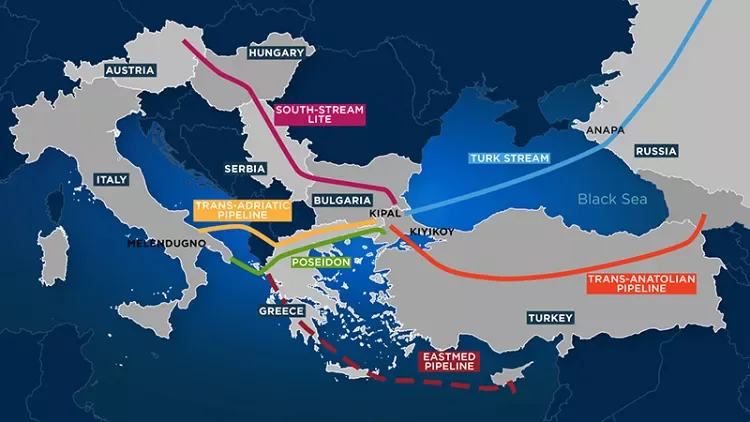
On January 13, the Kremlin stated it had shot down nine Ukrainian drones that had tried to attack part of the Turkstream gas pipeline in what it referred to as an “act of energy terrorism”. Turkstream is one of two, the other being Blue Stream, pipelines that run under the Black Sea to Türkiye. Turkstream however is the last gas route connecting Russia to Europe, and is crucial to the energy security of EU member states such as Hungary.
Read the report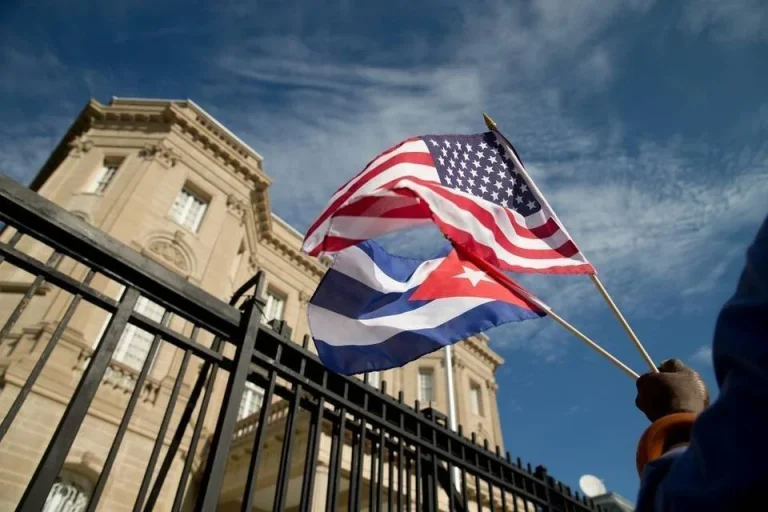
LATAM & Caribbean
21 January 2025
Biden’s last-minute Cuba deal: What is in store for Havana under a Trump presidency?
In a shock promulgation just a few days before the end of his administration, Biden has removed Cuba off of its list of state sponsors of terrorism. The deal, negotiated by the Catholic Church, releases 553 political prisoners, many of whom were arrested at Cuba’s 2021 protests. But with Trump being sworn in in a matter of days, what is the likelihood that this is all for nothing? The USA put an embargo on Cuba in 1960 as a result of Fidel Castro’s overthrow of US-backed dictator Fulgencio Batista in 1959 and the subsequent expelling of US corporations for the construction of his socialist Cuba.
Read the report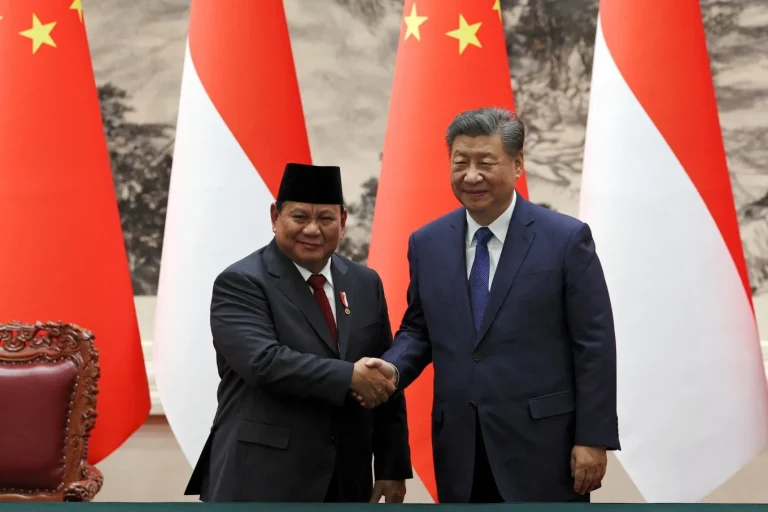
20 January 2025
How will Indonesia’s Nickel Policy Shape its Economic Future and Global Position as a BRICS Nation?
Indonesia is in a bid to protect its raw nickel refineries at a time of considerable regime change, both internationally and domestically. As we ring into the new year of 2025, Indonesia was formally admitted into the BRICS bloc under Brazil’s chairmanship - joining a ring of other Western-skeptic nations hoping to strengthen multilateral cooperation amongst the developing world.
Read the report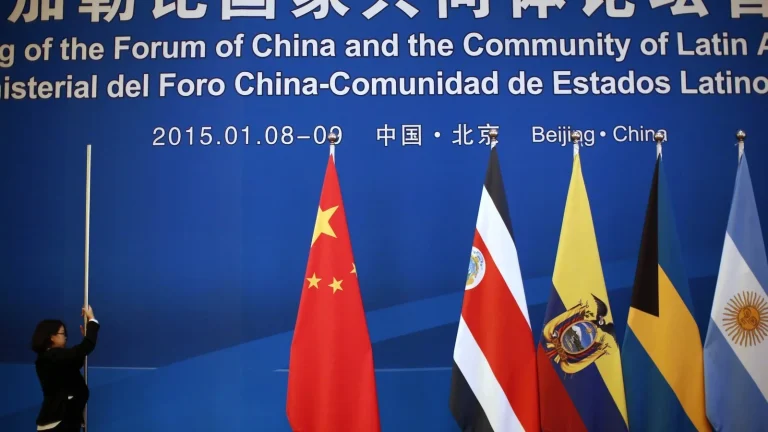
LATAM & Caribbean
20 January 2025
From commodity trading, to consumer goods, to electricity, and now direct investment in infrastructure projects, China’s activities have been expanding in Latin America. Western media primarily focuses on the threat or problem this poses, given China’s perceived aggressive expansion of its spheres of influence – its growing lead over the US in other, non-economic areas (ambassadorial, journalistic, academic) contributes to these fears.
Read the report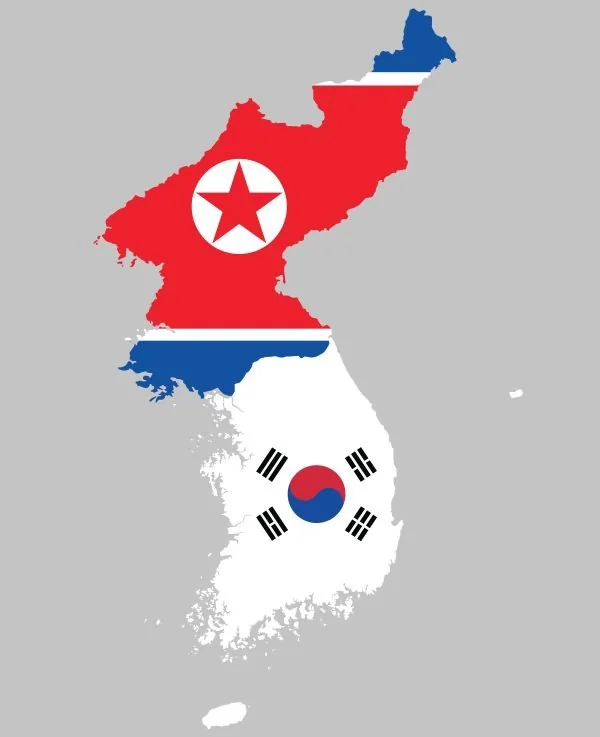
19 January 2025
What is the likelihood of another Korean War?
Combat in the Korean War ceased on July 27th 1953 with the establishment of a military armistice between North and South Korea. Still, a peace treaty has yet to officially signal the conflict’s end. Over the following decades, relations between the states have remained strained, with reunification attempts and political action driving intra-peninsular destabilisation. The likelihood of a reunified Korea grows increasingly improbable as hostility between North and South Korea skyrocketed over the past year.
Read the report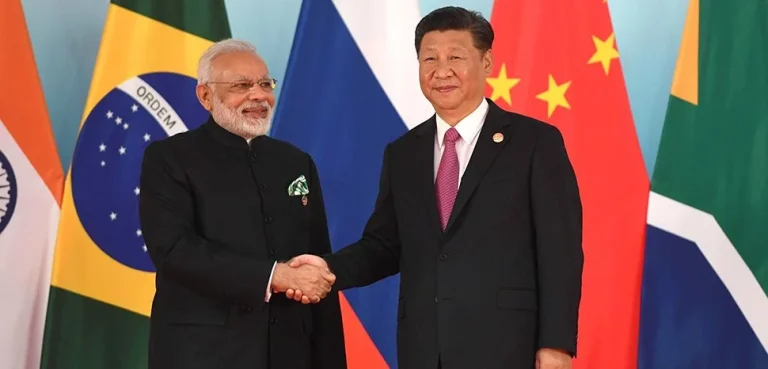
12 January 2025
New Delhi and Beijing’s Realignment?
We currently live in what is described as an "American unipolar world," where US liberalism dominates global affairs. However, China’s rapid rise presents a realistic potential to shift the global order. This shift reflects the gradual erosion of US liberal hegemony as China emerges as both an economic and political powerhouse. By leveraging tools such as international organisations, trade, and strategic partnerships, China seeks to engage with the world on an equal footing.
Read the report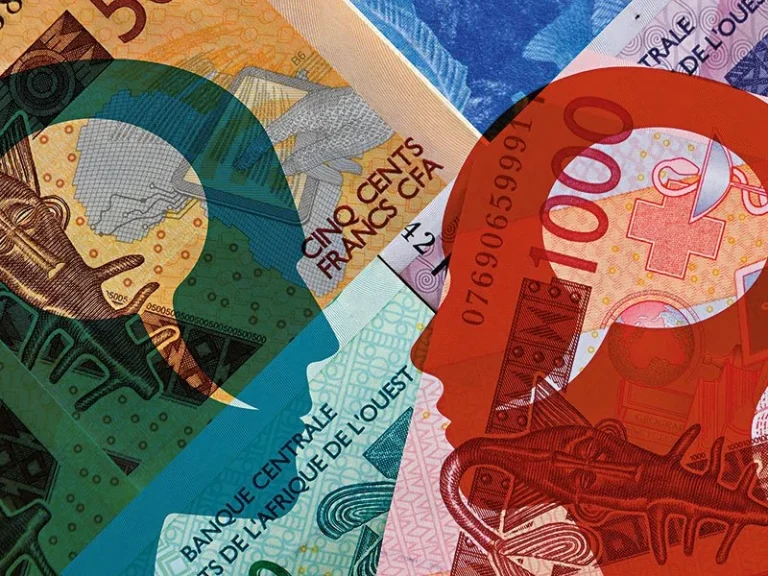
9 January 2025
The shift away from the CFA francs
On the 6th of January 2025, Macron made a statement of disdain against African leaders. Calling out predominantly its ex-French colonies, it called their recent distancing from French military support as “ungrateful” and that none of the Sahelian countries would exist had it not been for France, quickly retorted by Senegal and Mali. This sentiment echoes a broader loss of faith against Western powers in Africa, which outside of the military, has been manifested in a quieter rhetoric revolving around desires for monetary and financial distancing.
Read the report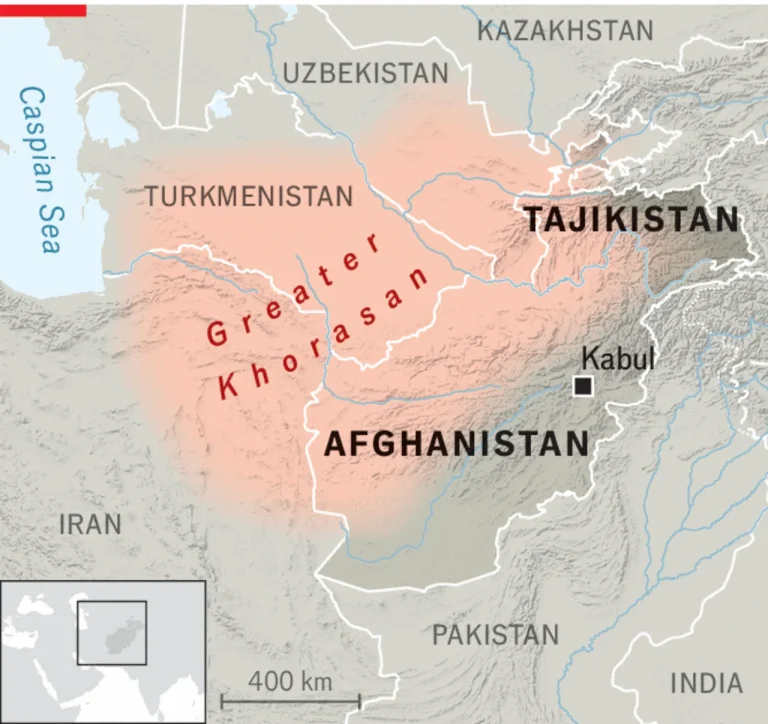
8 January 2025
Russian Disinformation and IS-K Insurgency in the Tajikistan
The U.S. withdrawal from Afghanistan in August 2021 marked a pivotal moment for Central Asia, heightening regional instability whilst enabling the Islamic State Khorasan (IS-K), to exploit the resulting vacuum in...
Read the report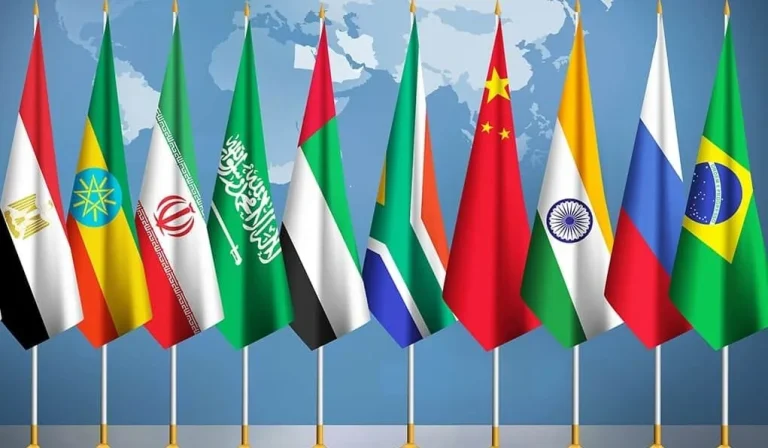
5 January 2025
How can the expansion of BRICS affect global energy trade in the future?
On the 20th of May 2014, Russia and China met at a summit in Shanghai. It was Putin’s first meeting with Xi after taking office in 2012. For two big powers part of an ambitious yet monumental and novel trade commitment such as BRICS, a typical follower of rational-choice theory would anticipate that these interactions were or could have happened sooner - so why the two-year late arrival? After all, 2014 was an eventful year for the former; just two to three months before their meeting, Russia annexed the Crimean Peninsula as a response to quell the Euromaidan protests.
Read the report
