Regional analysts
Choose a region on the globe, or a desk from the list, to open its research.
Choose a desk from the list to open its research.
Research desks
Africa
12 September 2025
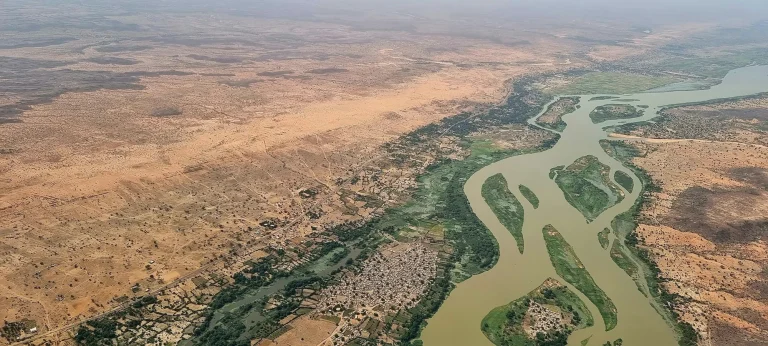
The Sahel region is situated between North Africa and Sub-Saharan Africa in more ways than simple geography. Characterised by a combination of humid savannas commonly found in Sub-Saharan Africa and the arid Saharan landscape of North Africa, the Sahel climate possesses a semi-arid nature, giving it precarious geopolitical positioning. Countries such as Mali and Sudan have suffered from conflicts related to religious extremism, corruption, and climate change.
Read the report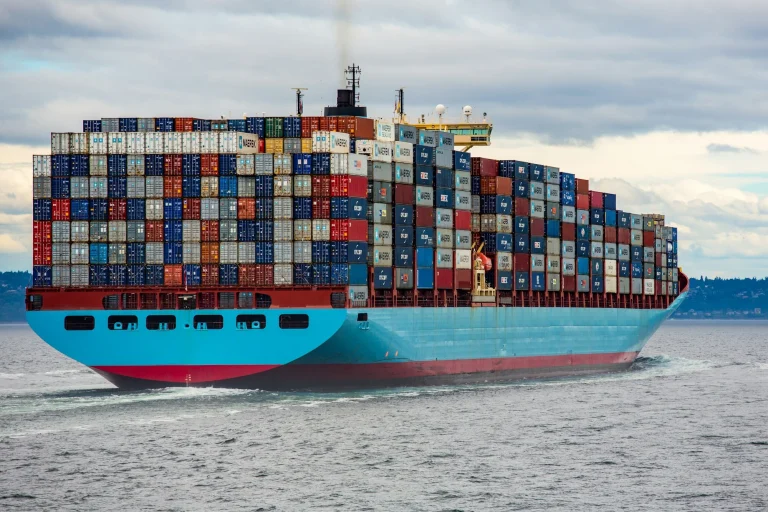
5 September 2025
FIT-P and the Minilateral Future of Trade
Since the effective suspension of the World Trade Organisation (WTO) Appellate Body in 2020, the rules-based global trading system has largely faded into oblivion, hastened by the unilateral actions of major powers such as the U.S. and China.
Read the report
Security & Conflict
15 August 2025
Terror or Protest? Assessing the UK Government’s Decision to Proscribe Palestine Action
On 5 July 2025, the UK Government proscribed Palestine Action (PA) as a terrorist group, placing it alongside al-Qa’ida, Boko Haram, and the Islamic State. Founded in 2020, Palestine Action is a UK-based network that aims to cut British financial and militaristic ties with the state of Israel, as part of a more general goal of ending what they describe as “Israel’s genocidal and apartheid regime”.
Read the report
11 August 2025
Winning Without War: The Role of Sport in Advancing European Soft Power
As Europe finds itself navigating an increasingly unpredictable geopolitical landscape, one shaped by renewed great power rivalry, competing global narratives, and the gradual erosion of the post-Cold War rules-based...
Read the report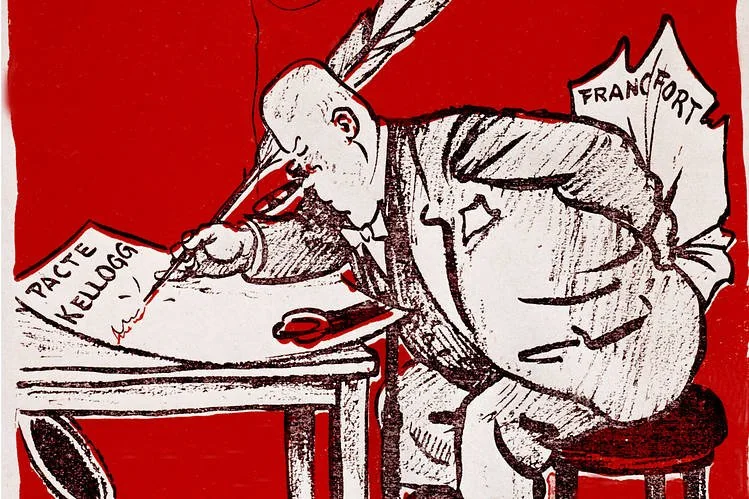
3 August 2025
Does Might Make Right? Reclaiming the Spirit of Kellogg–Briand in an Age of Forever Wars
When the war between Russia and Ukraine began – and, more recently, the confrontation between Israel and Palestine – many anticipated these would remain limited conflagrations. It was assumed that they could be contained within the frameworks of strategic deterrence and mutual diplomacy. Instead, they have expanded into protracted, open-ended conflicts, highlighting a deeper transformation in global politics – the rise of the forever war. These are defined as conflicts in which adversaries become structurally locked into hostility, driven by domestic imperatives or entrenched systemic constraints.
Read the report
Europe
26 July 2025
Rosatom’s Nuclear Diplomacy and Europe’s Strategic Lag
As of mid-2025, Russia leads the global market for nuclear power exports, with 26 of the 59 reactors under construction worldwide being Russian builds – 20 of them located abroad. Rosatom, Russia’s state nuclear corporation, claims it controls approximately 70% of the global export market for reactor development and installation. While this figure is difficult to verify, the scale of its involvement in the market is undeniable. More than a supplier, Rosatom has become a strategic architect of civil nuclear development, particularly across the Global South.
Read the report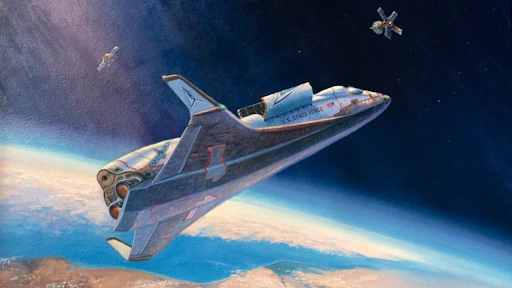
Europe
14 July 2025
Should EU Countries Start Establishing Their Own Space Forces?
As history has shown, each time humanity ventures into a new domain, warfare inevitably follows. Some of the most pivotal events in modern history have unfolded across the traditional domains of warfare: on land (Battle of the Somme 1916), in the air (the Battle of Britain 1940), and at sea (the Falklands War 1982). However, the dawn of the 21st century has introduced two new arenas, cyberspace and outer space, which bring unprecedented challenges and an uncertain future for the art of war.
Read the report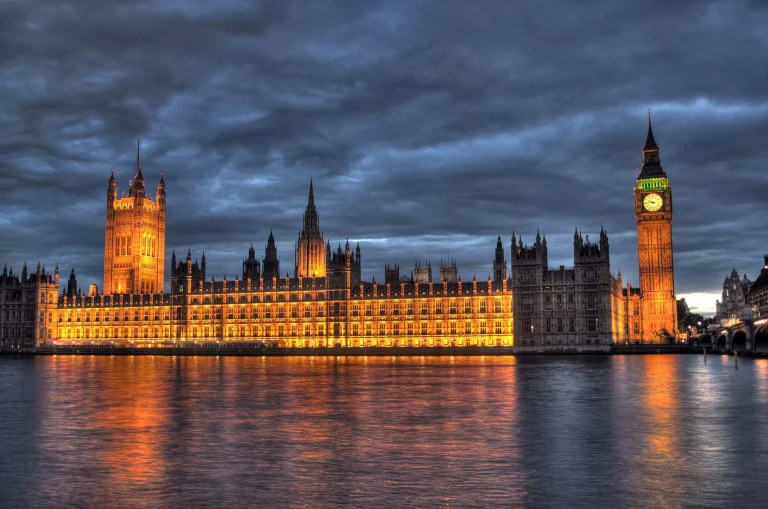
7 July 2025
Geopolitics, Nuclear Energy, and Artificial Intelligence: Charting the UK’s Energy Security Path
he United Kingdom is entering a decisive phase in redefining its energy security, with intensifying geopolitical uncertainty and accelerating climate obligations, the stakes have never been higher. Energy security, understood as the reliable, affordable, and sustainable provision of energy now reinforces not only the country’s economic resilience and security but also its strategic autonomy. Russia’s full-scale invasion of Ukraine in 2022, volatility in global gas markets, and the UK's post-Brexit trade realignment have exposed longstanding structural vulnerabilities.
Read the report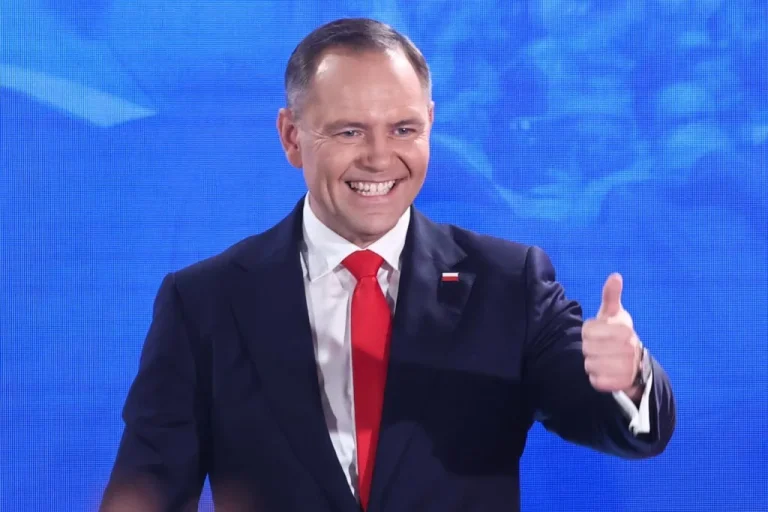
Europe
28 June 2025
Karol Nawrocki’s narrow presidential victory in June 2025 marks a pivotal moment for Poland’s foreign policy.
Read the report
